India–EU Free Trade Agreement: A Game-Changer for India’s Handmade Carpet Sector – CEPC
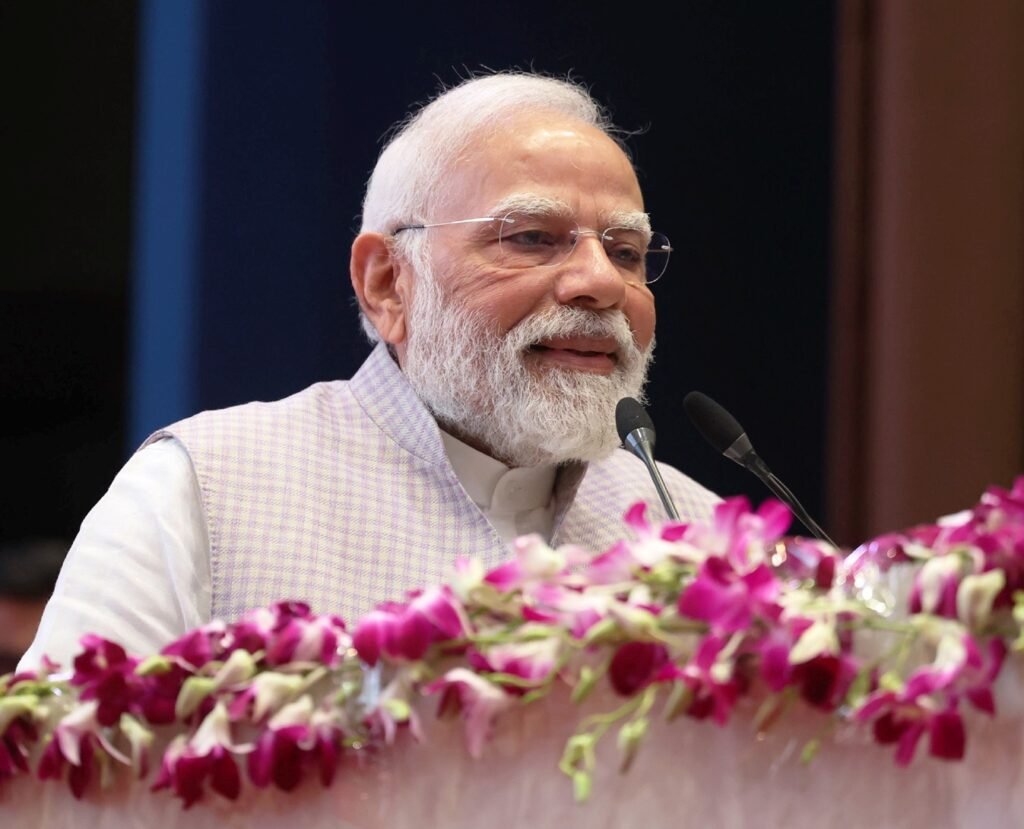
PM addressing the inauguration ceremony of the 20th National Conference on “Strengthening Legal Aid Delivery Mechanisms” at Supreme Court, in New Delhi on November 08, 2025.
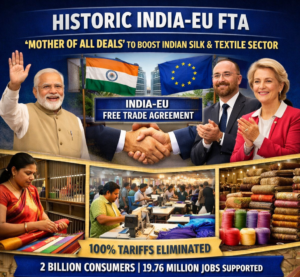
CEPCNew Delhi — January 27, 2026The Carpet Export Promotion Council (CEPC) has welcomed the historic conclusion of the India–European Union Free Trade Agreement (FTA) as a breakthrough moment for India’s traditional exports — especially the handmade carpet and rug industry — which stands poised to leverage preferential access to one of the world’s largest consumer markets.The Government of India today announced the conclusion of the India–EU FTA at the 16th India–EU Summit, broadening market access for over 99 per cent of Indian exports by value, and providing duty-free or preferential entry across almost all tariff lines in the EU. The agreement specifically highlights benefits for labour-intensive sectors, including Handmade Carpets/Rugs and Handicrafts, textiles products — creating a fertile landscape for enhanced export performance.The Carpet Export Promotion Council has expressed its sincere gratitude to the Hon’ble Prime Minister of India, Sh. Narendra Modi Ji for his visionary leadership and unwavering focus on strengthening India’s global trade partnerships as part of the Viksit Bharat vision. The Council also places on record its appreciation for the proactive and strategic efforts of the Hon’ble Minister of Commerce & Industries, Sh. Piyush Goyal Ji and the Hon’ble Minister of Textiles, Sh. Giriraj Singh Ji is steering this historic India–EU trade agreement to fruition. CEPC noted that this landmark deal reflects India’s long-term roadmap under India@2047, aimed at building a resilient, competitive and inclusive economy, while creating sustainable growth opportunities for traditional sectors such as handmade carpets and rugs.Carpet Exports: Growth and Global PotentialIIndia’s handmade carpet sector, anchored in well-established manufacturing clusters such as Bhadohi, Mirzapur and Varanasi in Uttar Pradesh, Panipat In Haryana, Jaipur & Bikaner in Rajasthan and Srinagar in Jammu & Kashmir, has demonstrated strong resilience despite persistent global market challenges.The inclusion of carpets within the ambit of preferential access under the India–EU FTA is expected to significantly improve competitiveness in European markets by eliminating tariff barriers that previously limited export expansion.Strategic Boost for MSMEs, Artisans and Traditional CraftsmanshipCEPC emphasized that Good Trade Deal and easy access to the EU market — will catalyse growth opportunities not just for large exporters, but critically for MSMEs and rural artisan units engaged in handmade carpet weaving and finishing.Such access will enhance price competitiveness, deepen integration into European supply chains, and support employment generation, particularly for women and youth in traditional carpet-making clusters. CEPC also noted that carpets — with their unique heritage value and high design appeal — are uniquely positioned to capture premium segments in the EU home décor and luxury interiors markets.Chairman & Vice Chairman’s RemarksShri Capt. Mukesh Kumar Gombar, Chairman, CEPC, said:“The India–EU Free Trade Agreement represents a transformational milestone for our handmade carpet sector. Eliminating tariffs will unlock expanded access to Europe’s large and sophisticated markets, allowing Indian carpets to compete more effectively on value, quality and sustainability. This benefit will be felt across carpet clusters in Bhadohi, Mirzapur, Varanasi and Srinagar, empowering artisans and micro and small exporters to scale new heights of global demand.”Shri Aslam Mahboob, The Vice Chairman, CEPC, added:“With preferential market access under the India–EU FTA, the handmade carpet industry can now look forward to enhanced export prospects, improved price realization, and deeper engagement with European buyers. This will reinforce India’s position as a trusted supplier of high-quality, handcrafted rugs and carpets and as a partner of choice for sustainable and ethical sourcing.”A New Chapter for ExportsCEPC reaffirmed its support for India’s trade policy and bilateral engagements that bring sustained benefits to traditional sectors and labour-intensive industries. The Council pledged continued collaboration with the Government and stakeholders to ensure that the full potential of the India–EU trade agreement is realized for the handmade carpet sector, contributing to inclusive economic growth and strengthening India’s global export footprint.